synth.is evolving sounds that don't exist yet
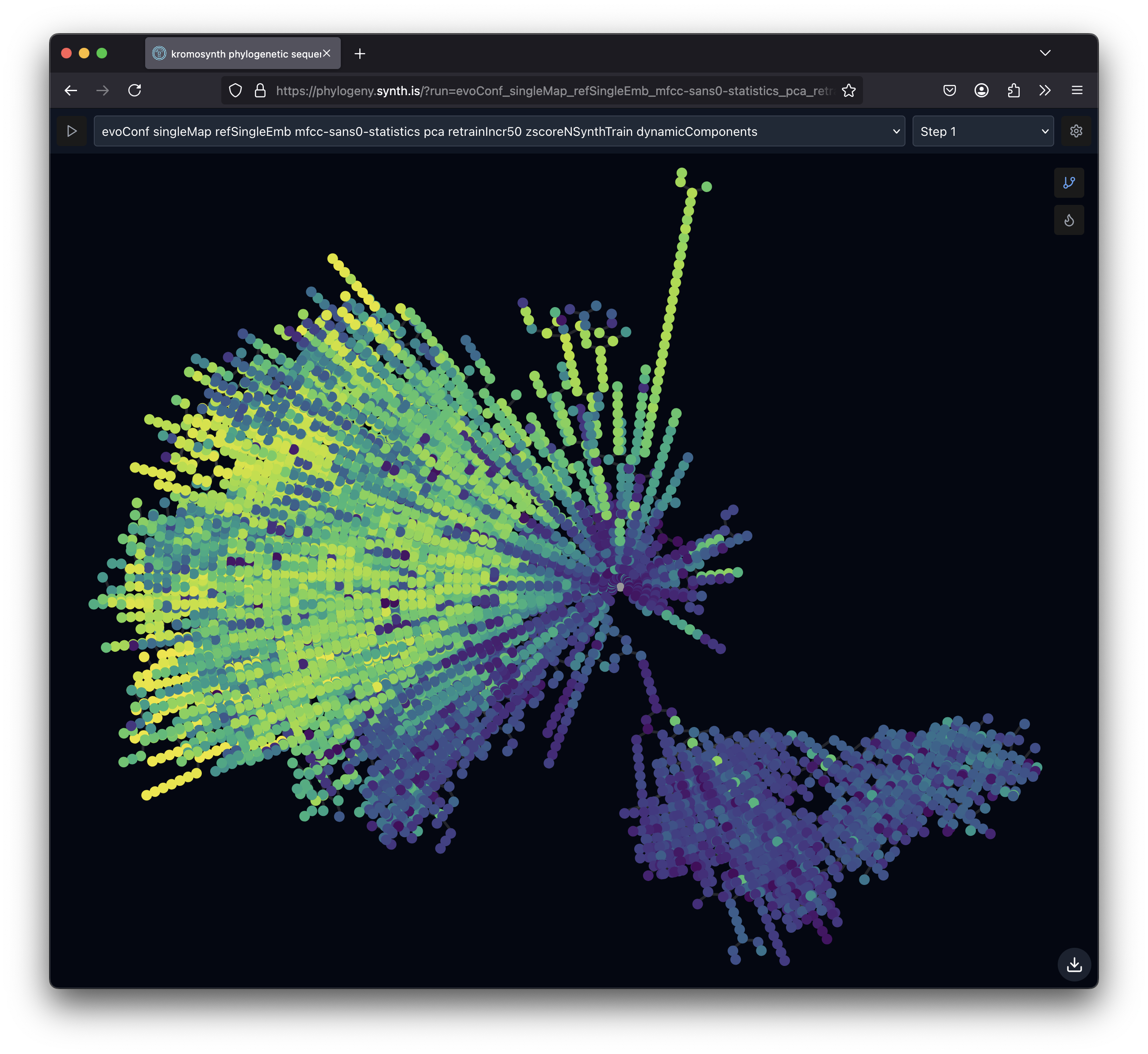
We've been working on something that might change how we think about sound discovery.
For the past while, we've been exploring how we can use evolutionary algorithms - the same principles that created all the diversity in nature - to discover completely new sounds. Not just new combinations of existing samples or synthesiser presets, but genuinely novel timbres that no one has heard before.
The problem with our current tools
When we use AI music tools today, we're basically asking them to remix their training data. We can only get variations of sounds that already exist somewhere in their datasets. This keeps us tethered to the past, recycling the same sonic vocabulary over and over.
But what about the sounds that haven't been invented yet?
Think about how some of our most revolutionary musical discoveries were accidents. The distorted electric guitar sound that defined rock music came from broken amplifiers. The TR-808 was considered a commercial failure because it didn't sound like "real" drums, but it spawned entire genres.
These weren't planned innovations - they emerged from unexpected combinations and technical "failures" that opened up entirely new sonic possibilities.
Simulating serendipity
That's where evolutionary algorithms come in. Just like biological evolution created everything from bacteria to leopards without a predetermined goal, these algorithms can explore vast spaces of possibility without being constrained by our existing musical vocabulary.
We've been running automated simulations that generate thousands of unique sounds, organising them into family trees that show how they're related. Some branches lead to familiar territory, others venture into completely uncharted sonic landscapes.
You can explore some early results at phylogeny.synth.is. Hover over the nodes to hear the sounds, and try the sequencing tools to see how they work together. It's rough around the edges, but it gives you a sense of what's possible when we let evolution do the creative heavy lifting.
Where this could go
We're imagining this as a living, collaborative tool. Instead of scrolling through static preset banks, you'd explore an ever-growing map of sound possibilities. You could inject reference sounds from your own tracks and watch the system evolve complementary textures around them. Or specify behavioural goals - "something percussive but organic" - and let families of sounds evolve to fill that niche.
The collaborative aspect is important too. Your feedback doesn't just help you find better sounds - it contributes to the entire ecosystem, helping promising lineages survive and spawn new variations that might end up in other people's evolution streams.
Why we need your input
The technical foundation works, but we're at a crossroads about where to take this next. Should it be a standalone plugin? A web application? What format would actually be useful - individual samples, full instruments, something else entirely?
More fundamentally, we want to understand how something like this could fit into real creative workflows. Would you actually use evolved sounds in your projects? How would you want to interact with the evolution process itself?
That's why we're reaching out to creators, producers, and sound designers to understand what would make this genuinely useful rather than just technically interesting. If you're willing to share your thoughts, we've set up some ways to get involved:
- Try the current interface and let us know what you think
- Fill out a quick questionnaire about your sound discovery process
- Sign up for a deeper conversation about your creative workflow
What's next
Over the coming weeks, we'll be conducting interviews with creators to understand how evolutionary sound discovery could fit into existing workflows. We'll share what we learn here, along with updates on the technical development.
This isn't just about creating new sounds - it's about expanding the creative palette available to all of us. Who knows what musical genres we might discover when we're no longer limited by the sounds we already know?
If you're curious about being part of this exploration, drop us a line. The most interesting discoveries happen when different perspectives collide.
This post is part of documenting the kromosynth research project at RITMO. If you're interested in following along or contributing feedback, you can find more information and sign up for updates synth.is